Challenges in medication sorting
The pharmaceutical sector has high requirements for accuracy, traceability and compliance.
Sorting errors are critical
With medication, errors can have direct consequences for patient safety and compliance.
Strict regulations
GDP, GMP and other guidelines require complete traceability and documentation.
Growing volumes
Increasing demand for fast delivery and shrinking delivery windows.
MicroSorter for medicine
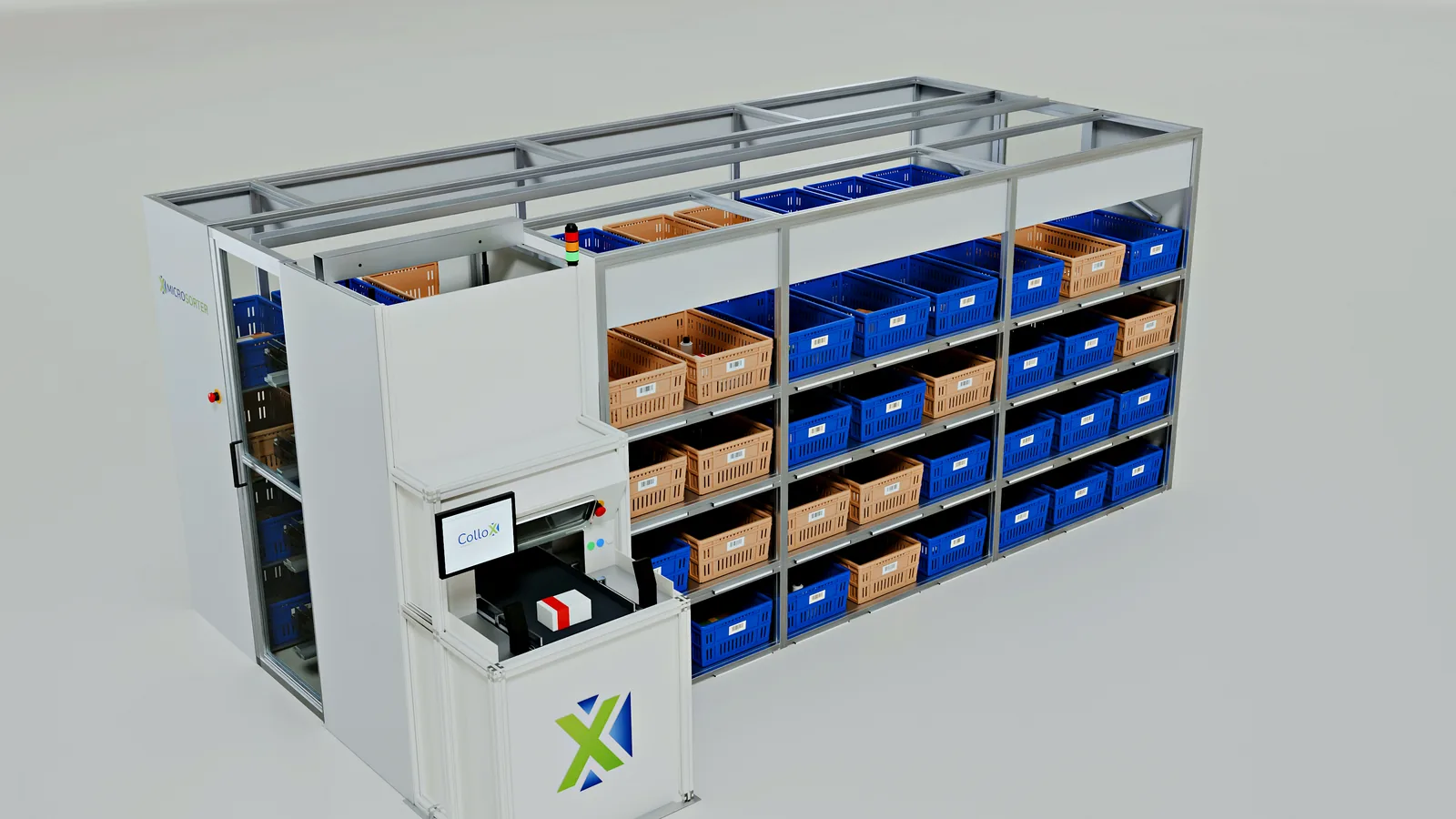
The MicroSorter fully automates the sorting process with 99.9% accuracy. Each product is scanned, registered and sorted to the correct destination.
- Complete traceability of each product
- 99.9% sorting accuracy
- Integration with existing WMS/ERP systems
- Suitable for temperature-sensitive products
Pharmaceutical compliance and serialization
The pharmaceutical industry is regulated by strict legislation such as the European Falsified Medicines Directive (FMD) and GDP guidelines. This means that every medicine, whether blister cards, medicine rolls, infusion bags or loose packaging, must be fully traceable from manufacturer to patient. The MicroSorter supports full serialization by individually scanning each product via integrated barcode and data matrix readers. The system automatically registers batch numbers, expiry dates and unique serial numbers in compliance with EU serialization requirements. This data is synchronized in real-time with your Warehouse Management System, creating an uninterrupted audit trail. For pharmacies and hospitals, this means the MicroSorter not only prevents sorting errors but also lays the foundation for complete GDP and GMP compliance. The system automatically generates the required documentation for quality audits and inspections.
Sorting logic for pharmaceutical distribution
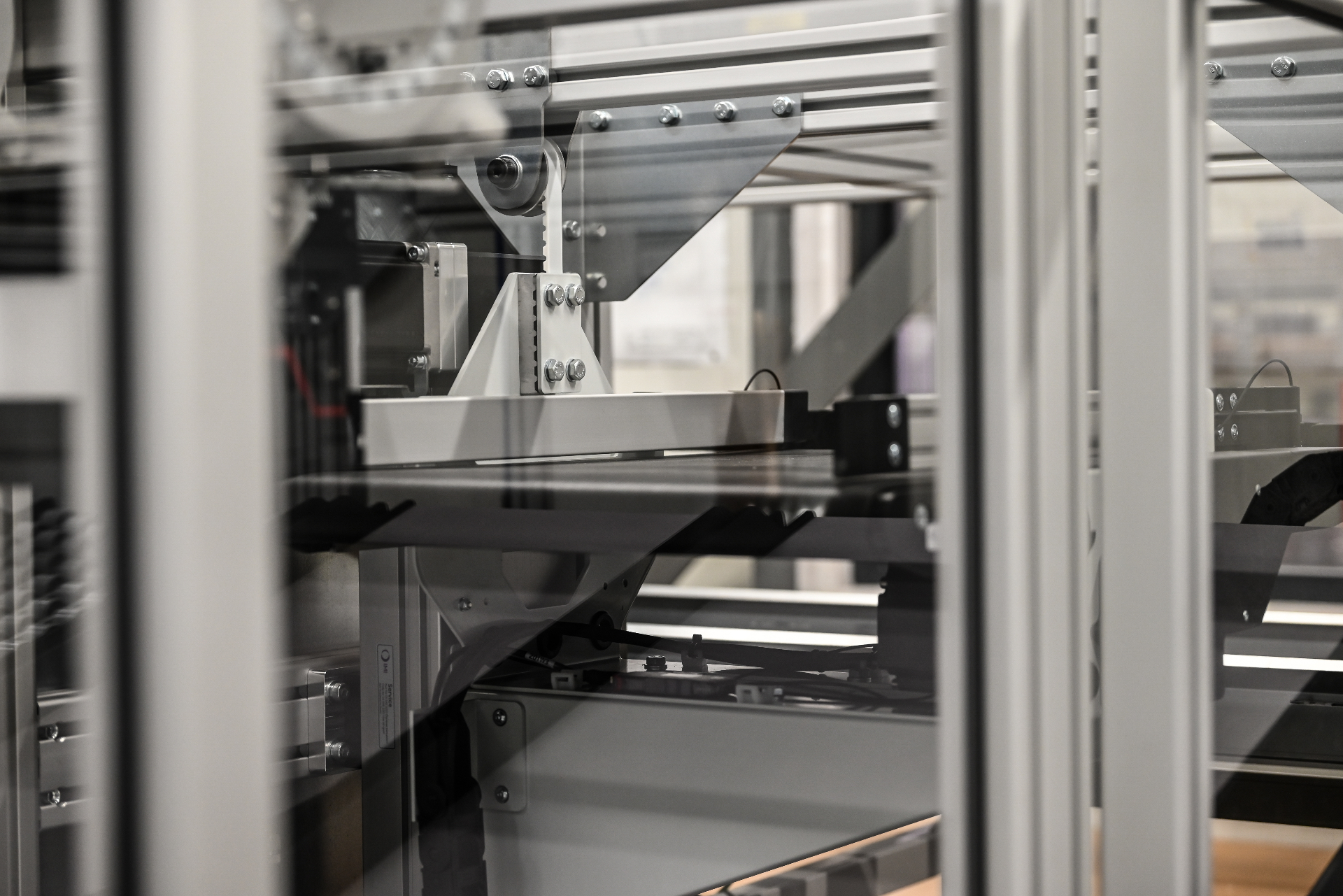
In pharmaceutical distribution, the sorting process is more complex than in other sectors. Products must not only go to the right destination but also in the correct order and with the right priority. The MicroSorter offers advanced sorting logic for this purpose. The system supports FIFO sorting (First In, First Out) to ensure proper shelf-life rotation. Products with a short expiry date automatically receive priority in the sorting process. Additionally, the MicroSorter can sort based on temperature class, product category, order or delivery route. With more than 40 sorting destinations, you can sort in a single pass to pharmacy, hospital department, nursing home or external distribution location. The modular design makes it possible to flexibly adjust the number of destinations to your growing network.
Case study: pharmaceutical wholesaler
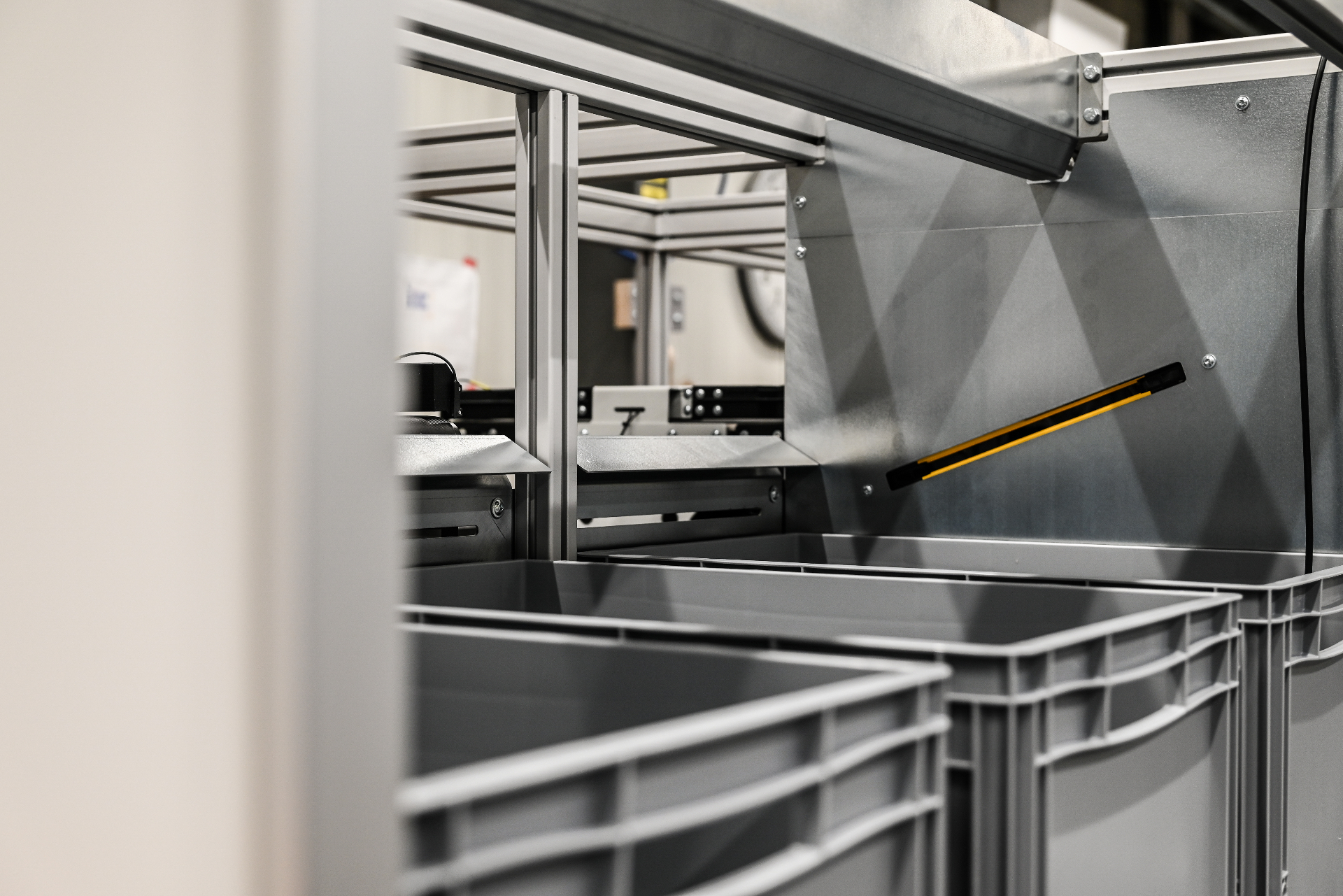
A leading pharmaceutical wholesaler in the Benelux processed thousands of medicine orders daily for hundreds of pharmacies. The manual sorting process was labor-intensive, error-prone and formed a bottleneck in the supply chain. After implementing the MicroSorter, the sorting process was fully automated. The results speak for themselves: sorting errors decreased by 98%, processing capacity tripled and labor costs for the sorting process decreased by 60%. Furthermore, complete traceability was achieved, which halved the throughput time of GDP audits. The MicroSorter now processes more than 10,000 pharmaceutical products daily, ranging from small blister cards to larger packages, all with the same high accuracy and complete serialization.
Specifications
Optimized for pharmaceutical logistics
Benefits of medicine sorting
Why choose the MicroSorter?
100% compliant
Complies with GDP, GMP and other pharmaceutical guidelines.
99.9% accuracy
Minimize sorting errors and protect patient safety.
Up to 1500 products/hour
Process large volumes quickly and efficiently.
Increased efficiency
Save up to 60% on labor time with automatic sorting.
Complete traceability
Each product is logged for complete audit trails.
Careful handling
Suitable for fragile and temperature-sensitive products.
Frequently asked questions
Answers about medication sorting with the MicroSorter
Explore more
Blister roll sorting
Pharmaceutical blister roll sorting.
Learn moreBlister card sorting
Patient-specific blister card sorting.
Learn moreMedicine roll sorting
Pharmacy distribution medicine rolls.
Learn moreBaxter roll sorting
Hospital logistics Baxter products.
Learn moreMicroSorter
Discover the full capabilities of the MicroSorter.
Learn moreMedication sorting for hospital pharmacies
From the central pharmacy to the wards, fully traceable.
Learn more