Why returns processing hits a ceiling
A return takes more handling steps than an outbound order. That makes returns processing the most expensive step in most fulfilment operations.
Peaks you cannot plan
After a sale or the holiday season, returns arrive in waves. Hiring and training extra staff takes weeks, while the peak lasts days.
Five handling steps per item
Unpack, scan, inspect, grade and put away. Done manually that easily takes 3 to 5 minutes per return, most of it spent walking.
One product, five destinations
Back to stock, to cleaning, to repair, to outlet or written off. Each decision means a different physical route through the warehouse.
MicroSorter for returns flows
Your operator scans the return and enters the grade. From there the MicroSorter routes the item to the right output, so grading and moving no longer consume the same person.
- Up to 1500 returns per hour with two induction stations
- Forty or more destinations in a few square metres
- Every return scanned and logged against order number or EAN
- Sort outbound orders by day, switch to returns at peak
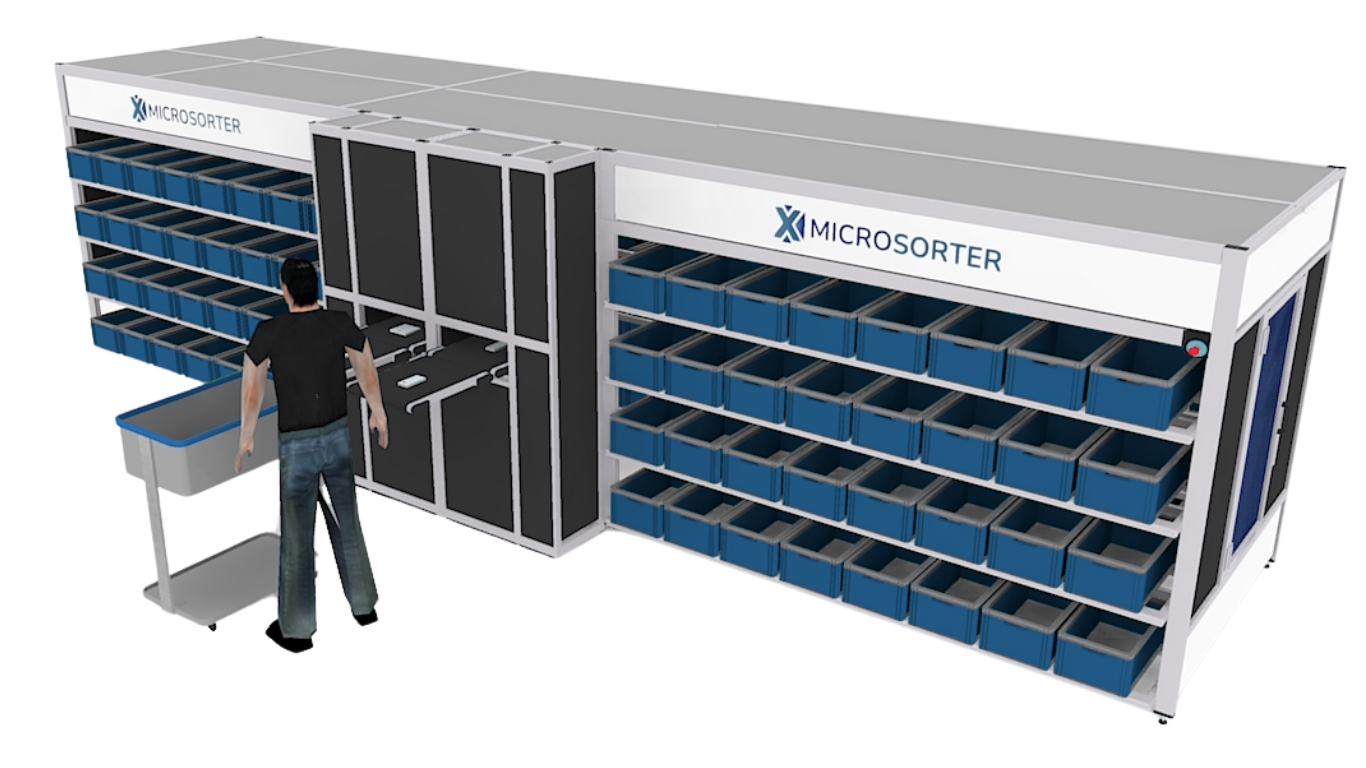
Why a return costs more than an order
With an outbound order you know in advance what happens: pick, pack, ship. A return is unknown by definition until the box is opened. Only then does it become clear which item it is, what condition it is in and where it needs to go. As a result, returns processing consists of two kinds of work that are rarely separated: grading, which requires knowledge, and moving, which only costs time. As long as the same operator does both, walking sets the pace for the entire process. That is also why returns processing is the first thing to break when a business grows. Outbound volume scales with systems, the returns flow scales with people.
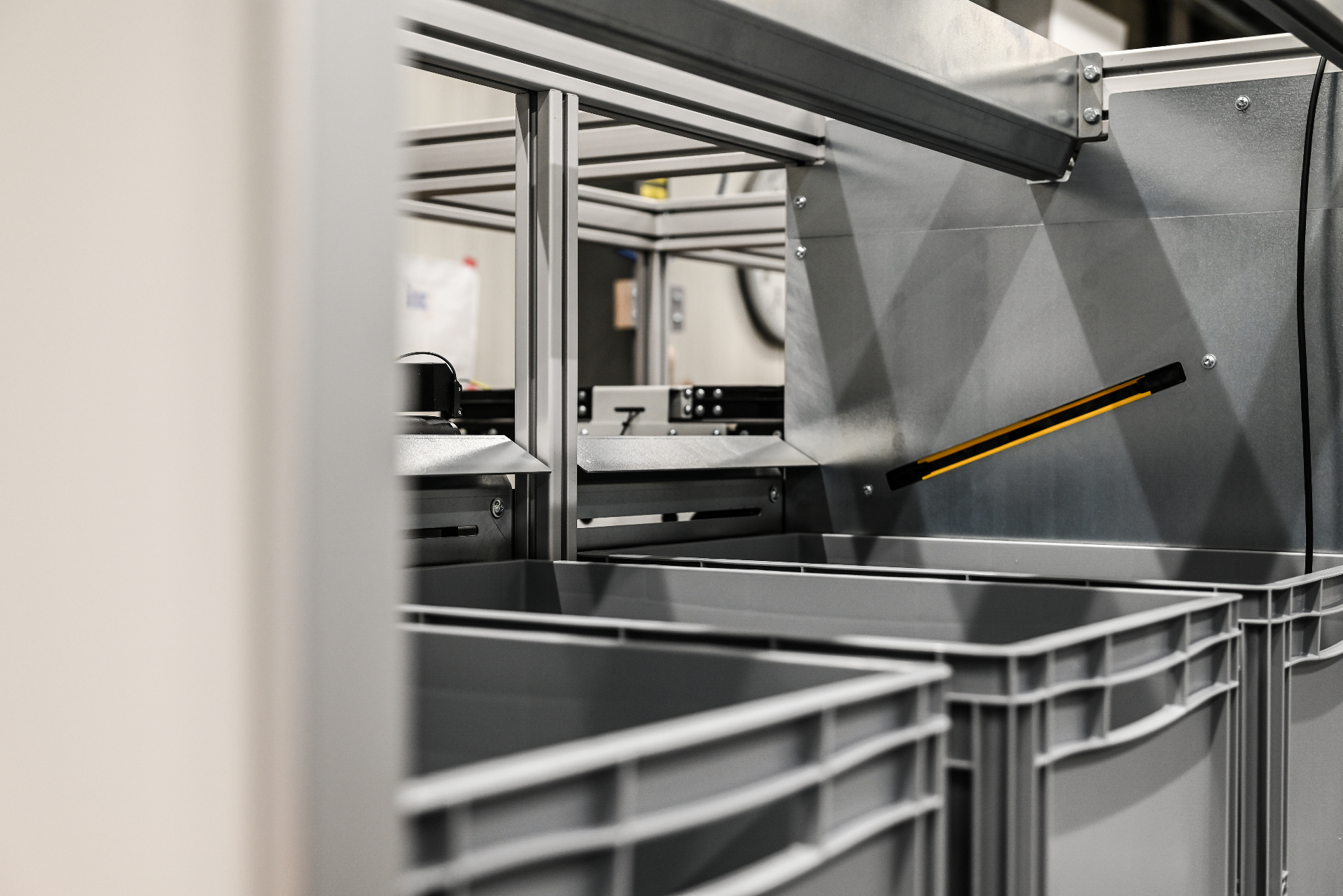
Pulling grading and sorting apart
In an automated returns lane your operator does one thing only: open the box, scan the item and enter the condition. Resaleable, clean, repair, outlet or write-off. The MicroSorter takes over from the scan and carries the item to the output that matches that condition. Your operator stays in one place and therefore processes a multiple of the items per hour. The effect is twofold. Lead time from return to saleable stock goes down, and grading quality goes up, because the person grading is no longer under the time pressure of walking.
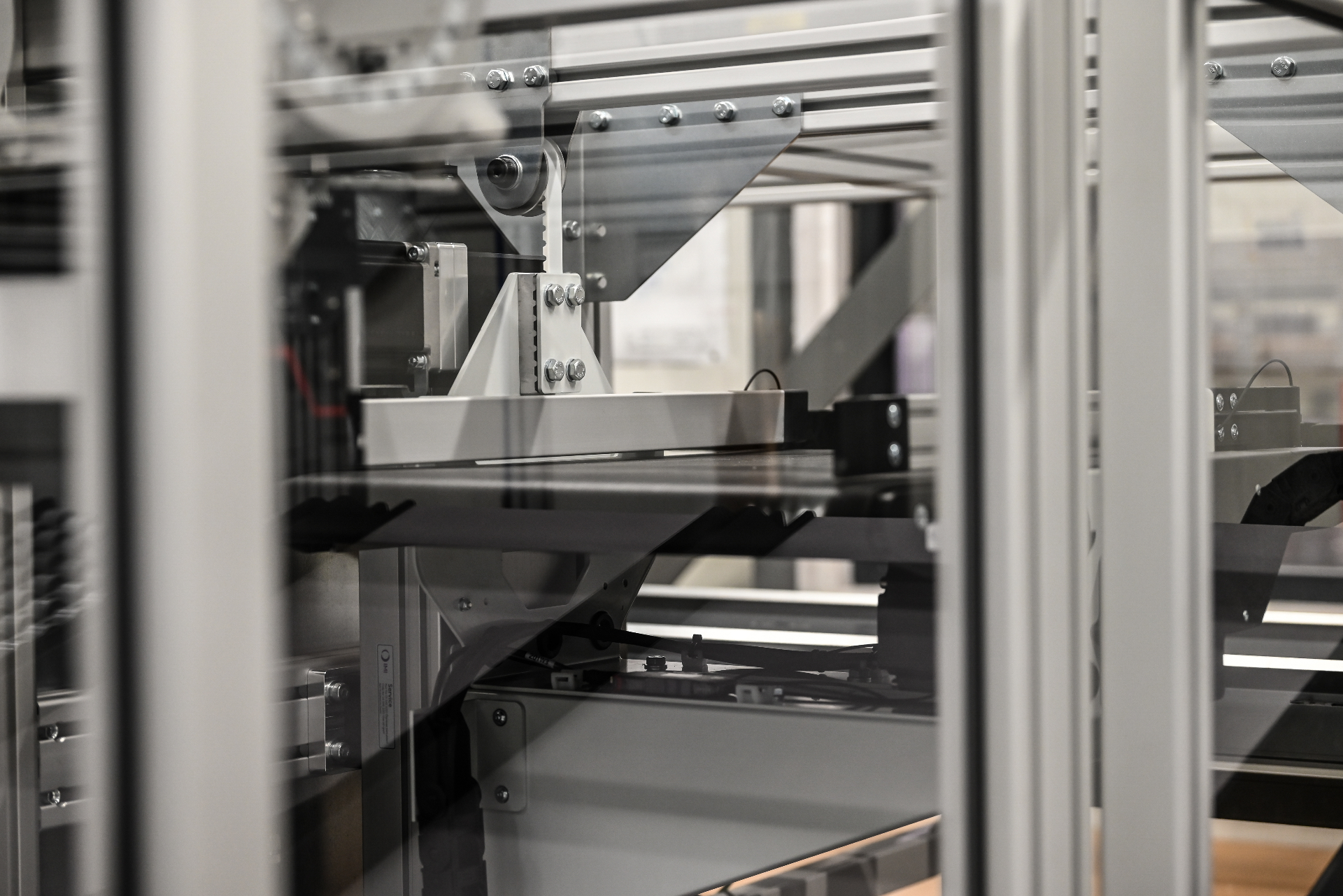
One machine, two processes
A sorter used for returns alone stands idle most of the day. That is why most customers assign outputs dynamically. In the morning the batch picking flow for outbound orders runs across the machine. As soon as that wave is finished, the controller loads the returns layout and the same outputs start serving stock, cleaning, repair and outlet. That doubles the utilisation of the same investment. In practice it is the reason payback comes out shorter for combined use than for either process on its own.
Specifications
The numbers for returns processing with the MicroSorter
Benefits of automated returns processing
Why run your returns flow across the MicroSorter?
Back on the shelf faster
An item that returns to stock the same day is an item you can sell again the same day.
Grading separated from sorting
Your operator only grades. Moving the item to the right destination is the machine's job.
Every return logged
Scanned on order number or EAN, with a complete per item record for your returns portal.
Peaks without extra headcount
The capacity is already installed. A wave of returns no longer costs you a hiring round.
99.9% to the right destination
Fewer items put back in the wrong place, so fewer stock discrepancies and fewer failed picks.
Connected to your WMS
The MicroSorter takes destinations straight from your WMS or returns portal, with no double entry.
Frequently asked questions
Answers about sorting returns with the MicroSorter